

Artist Statement
–Each material has its own message– Frank Lloyd Wright (1928)
The things that inspire me to create, I find, are buried deep within the structures and systems that form the underpinning of our natural world. My studies in the natural sciences have made me aware of these hidden layers of complexity present in even the simplest objects. These invisible layers are seen most clearly through the lens of logic, which is used to decipher the underlying rules and laws that govern the physical world.
In my work, I try to mimic these elegant structures of nature by developing systems of my own with which to express my thoughts and ideas, so that the medium and the message appear as one.
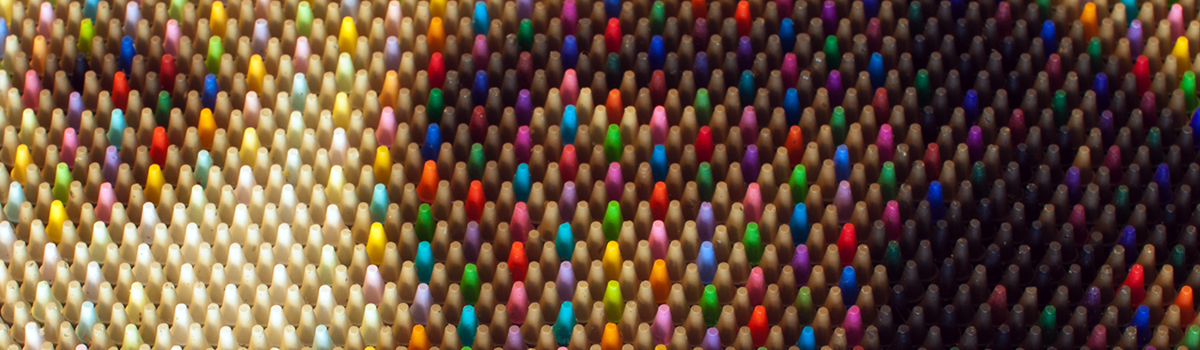
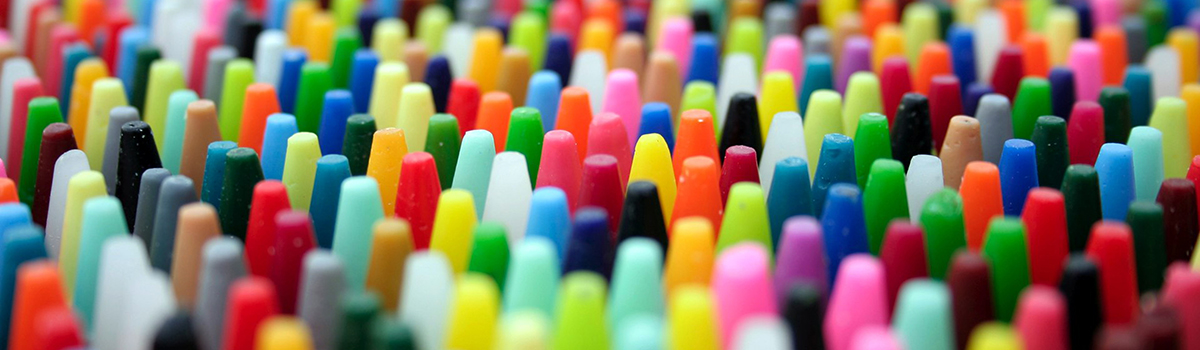
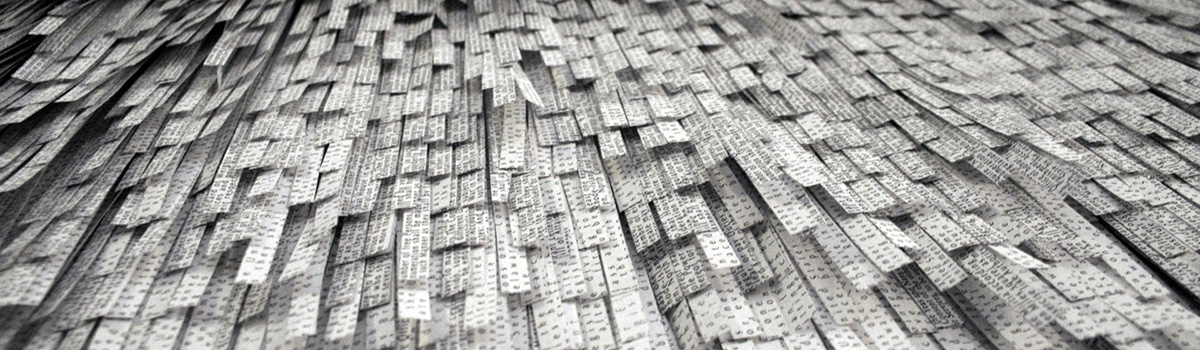
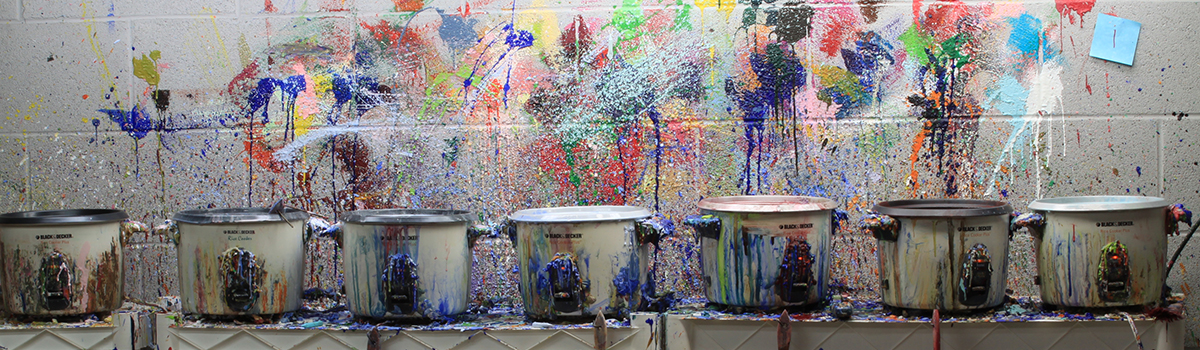
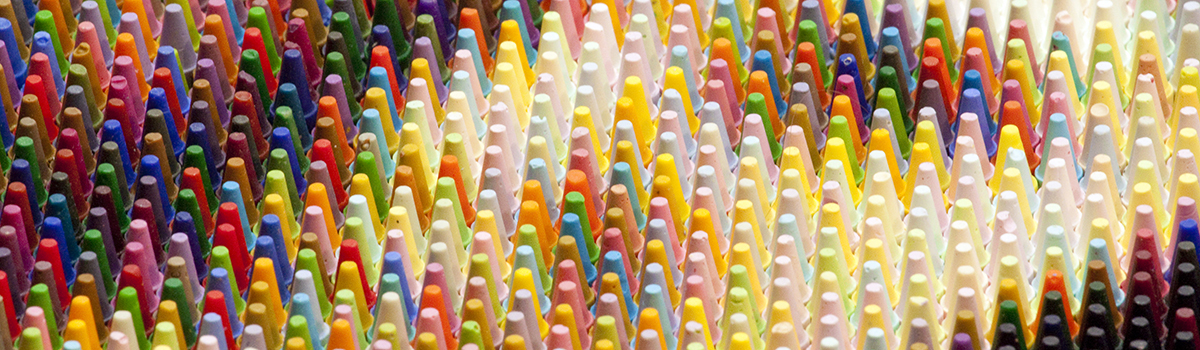
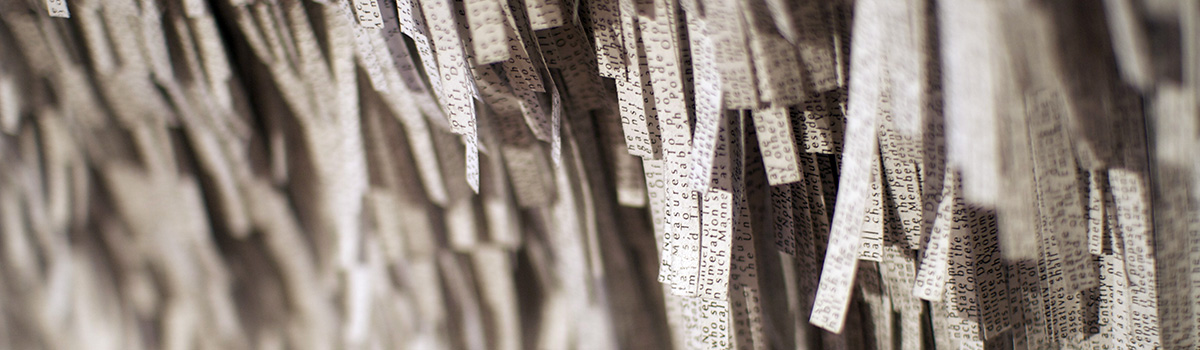
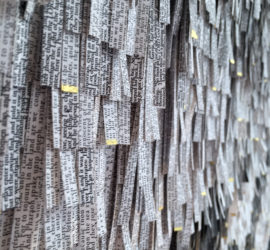
I think of it like a game, with a set of axioms that are established at the outset through the limitations of the material or forms from which the work is constructed, which then dictates what can and cannot be “said” within the boundaries of the chosen medium. This material limitation can also be a strength, as there is the potential to contain thoughts and ideas in unique ways, so that the “medium” can become the “message.” This intertwining of form and function can be seen most directly in my most recent work, which is comprised of crayons and shredded paper.
These systems function as a private language, that allows me to express many layers of meaning within each work that I create. I think of them as complex visual “poems,” which can redefine the way we think about the meaning of communication.
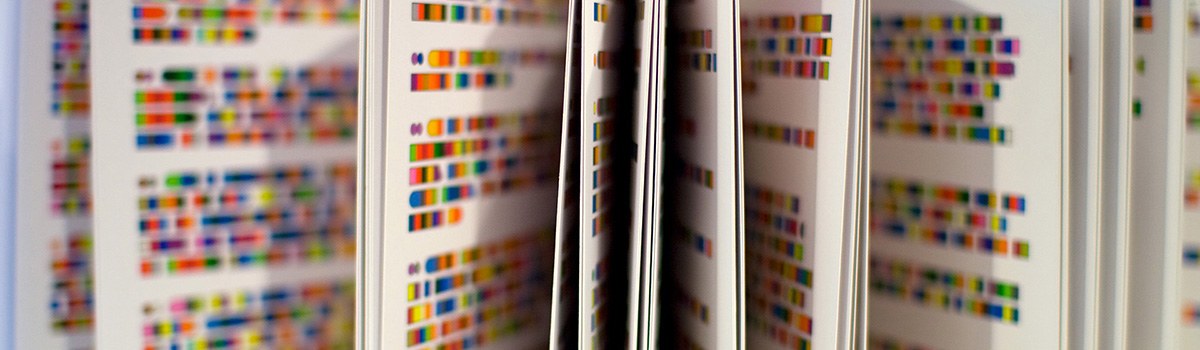
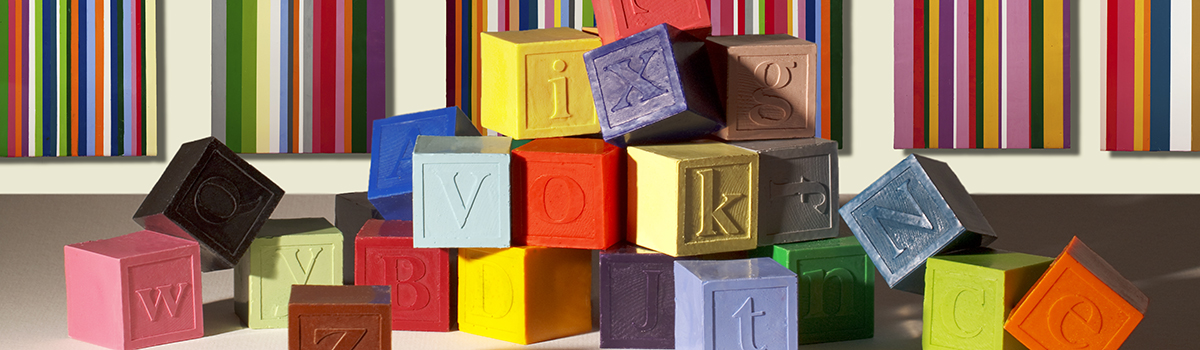
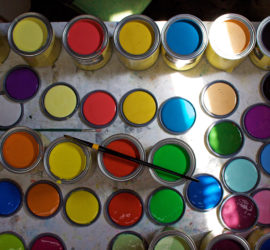
In my newest body of work, I focus on the semiotic nature of color by using a color alphabet system, which I have developed. This system uses pure color to mimic the function of letters (glyphs) to hold language and forms the basic foundation for many of the experimental works that I have produced.